Darryn George
Darryn George
Darryn George
Darryn George
Darryn George
Darryn George
Darryn George
Darryn George
Darryn George
Darryn George
Darryn George
About the exhibition
The Power of Three
Brooke Pou
Whakapapa is an exhibition in three parts. Darryn George has dubbed them the Tribute series, the Whakapapa paintings, and the Whakamārie paintings. An auspicious number, three. Bringing to mind the Holy Trinity, the golden ratio, and stories with a beginning, middle, and end. However, George’s works in this exhibition are a part of a much larger story with the end nowhere near in sight.
The Power of Three
Brooke Pou
Whakapapa is an exhibition in three parts. Darryn George has dubbed them the Tribute series, the Whakapapa paintings, and the Whakamārie paintings. An auspicious number, three. Bringing to mind the Holy Trinity, the golden ratio, and stories with a beginning, middle, and end. However, George’s works in this exhibition are a part of a much larger story with the end nowhere near in sight.
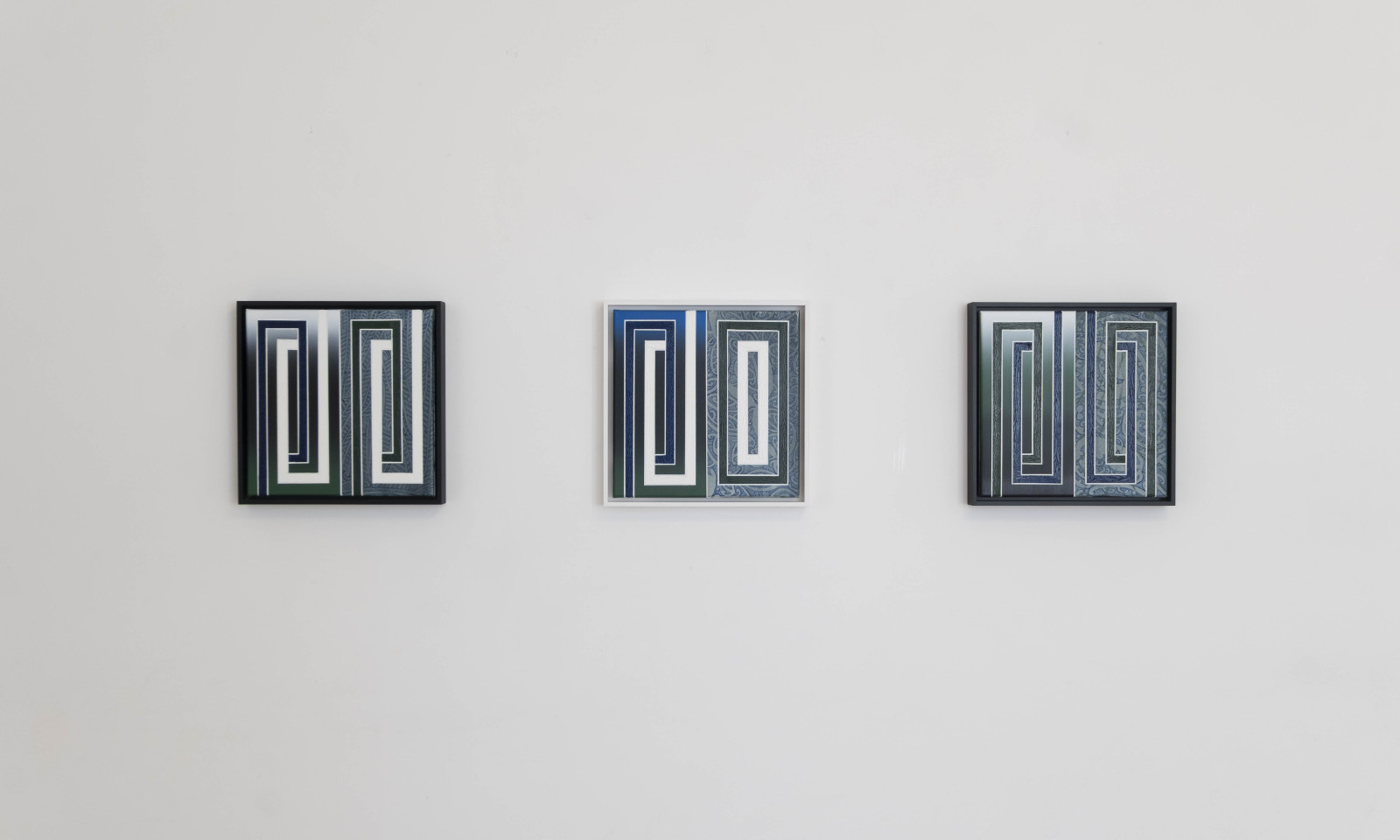
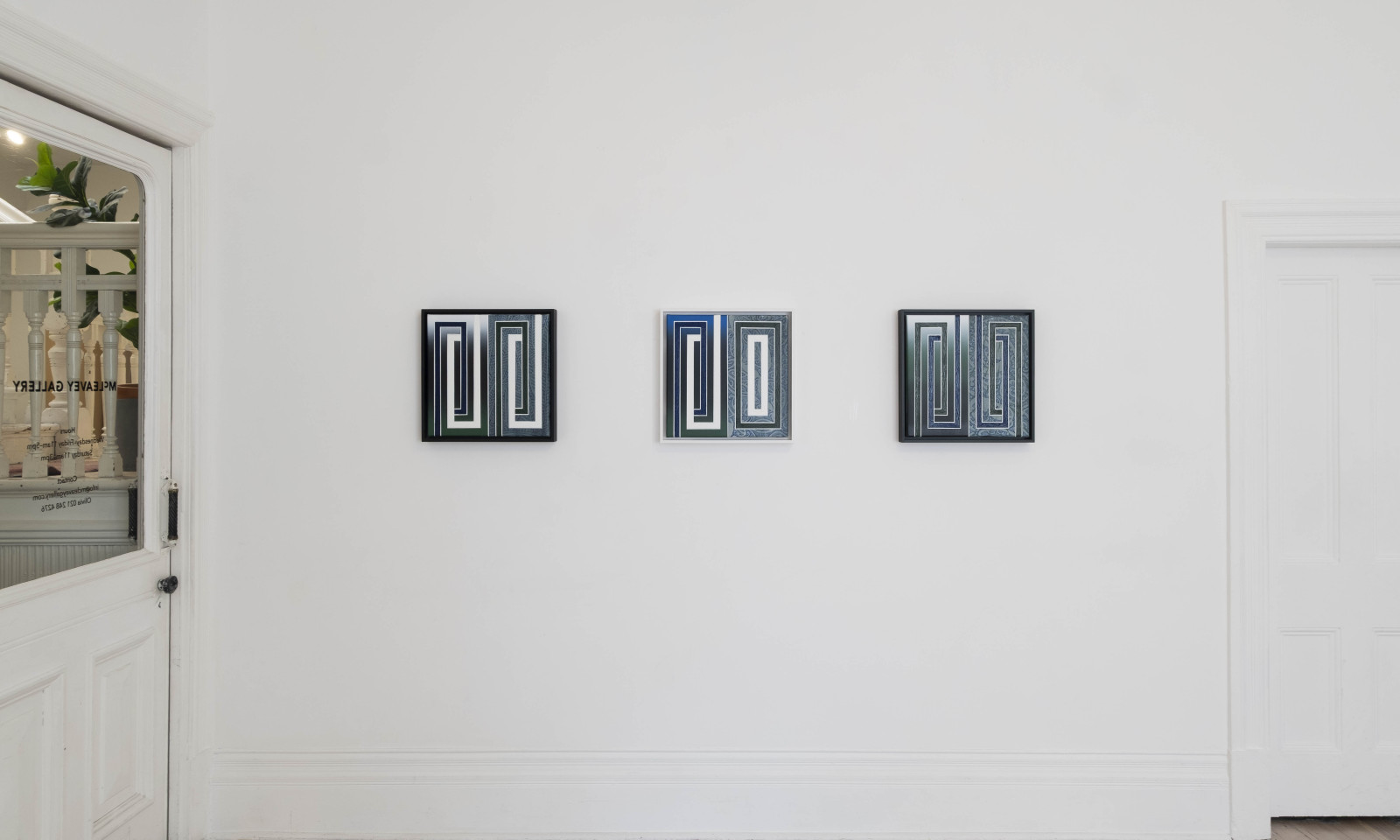
George pays tribute—quite literally—to his tūpuna in a new series of paintings dedicated to them. Each artwork in the Tribute series is named after a great grandparent. The impact that a direct ancestor has on oneself cannot really be overstated—after all, they are the reason we exist. Genes get passed down of course, but so do habits and values, even if you are not close with your (great) grandparents. Those of us whose grandparents died before we were born will know this intimately.
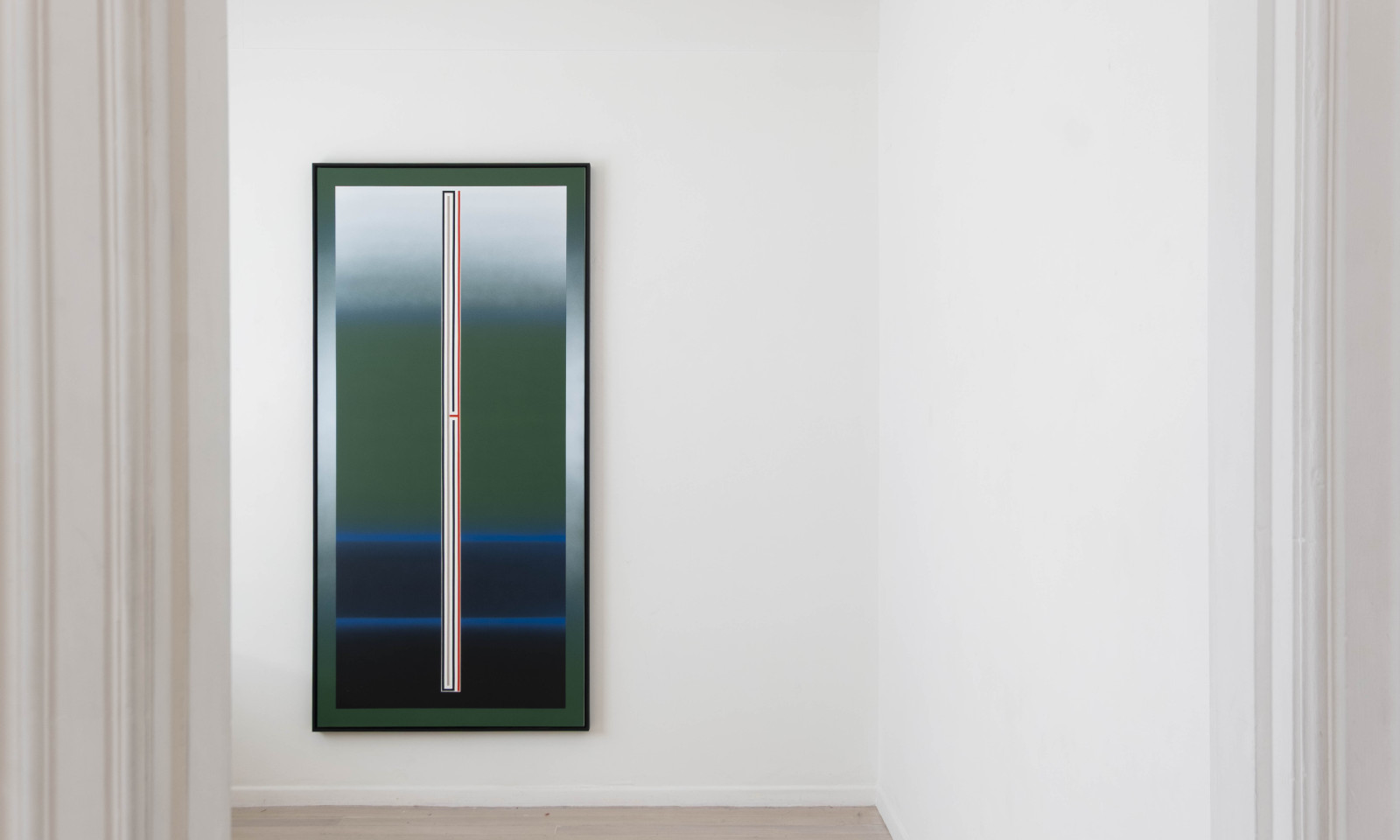
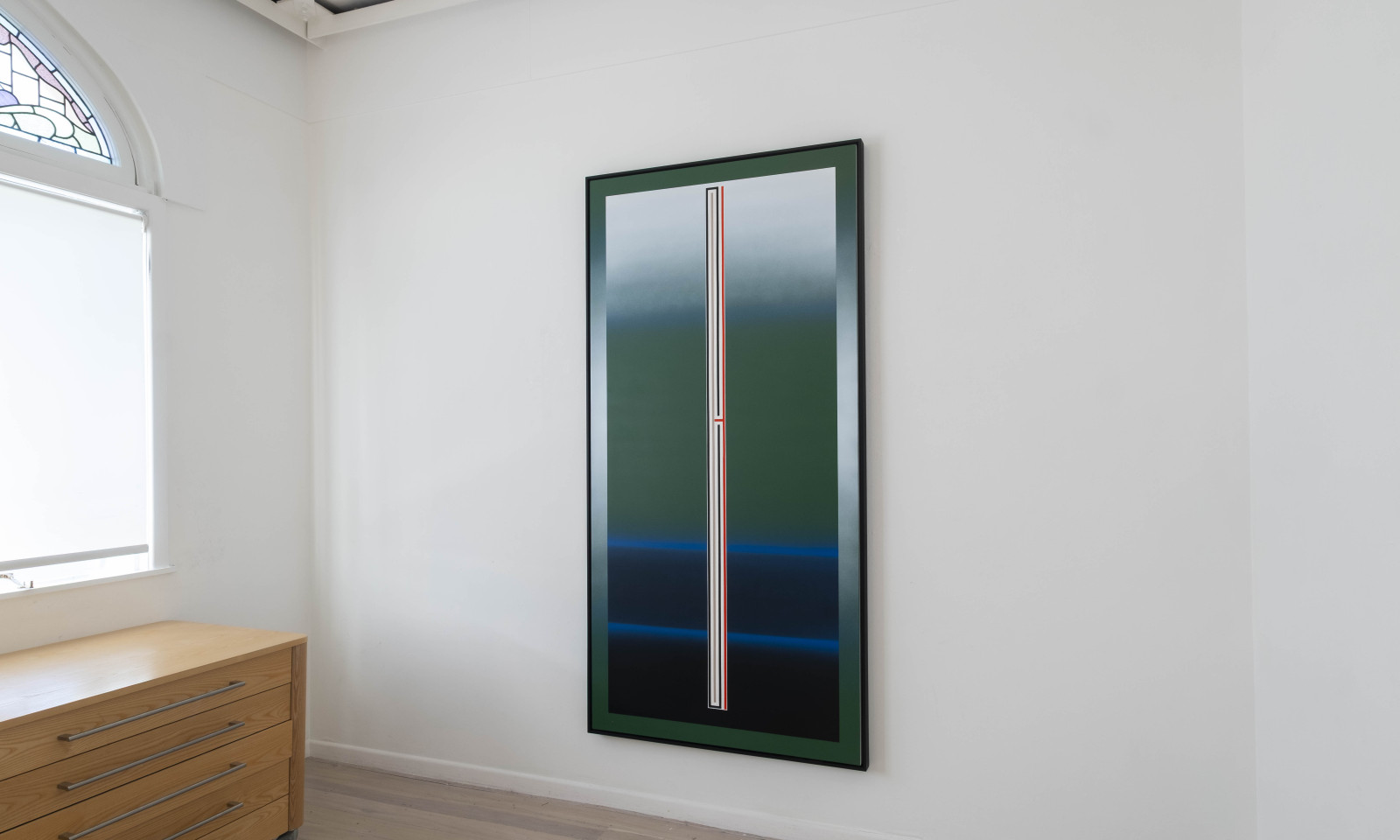
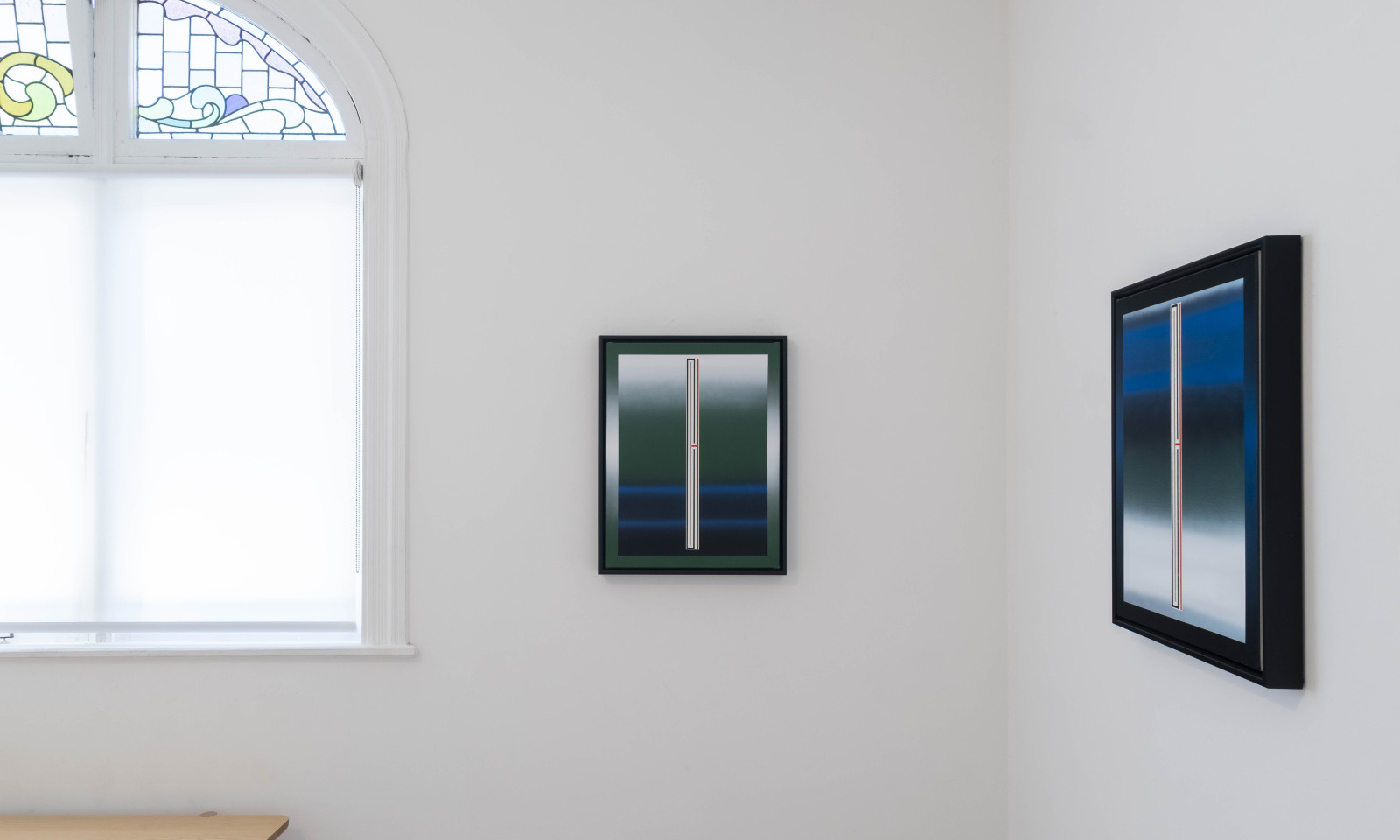
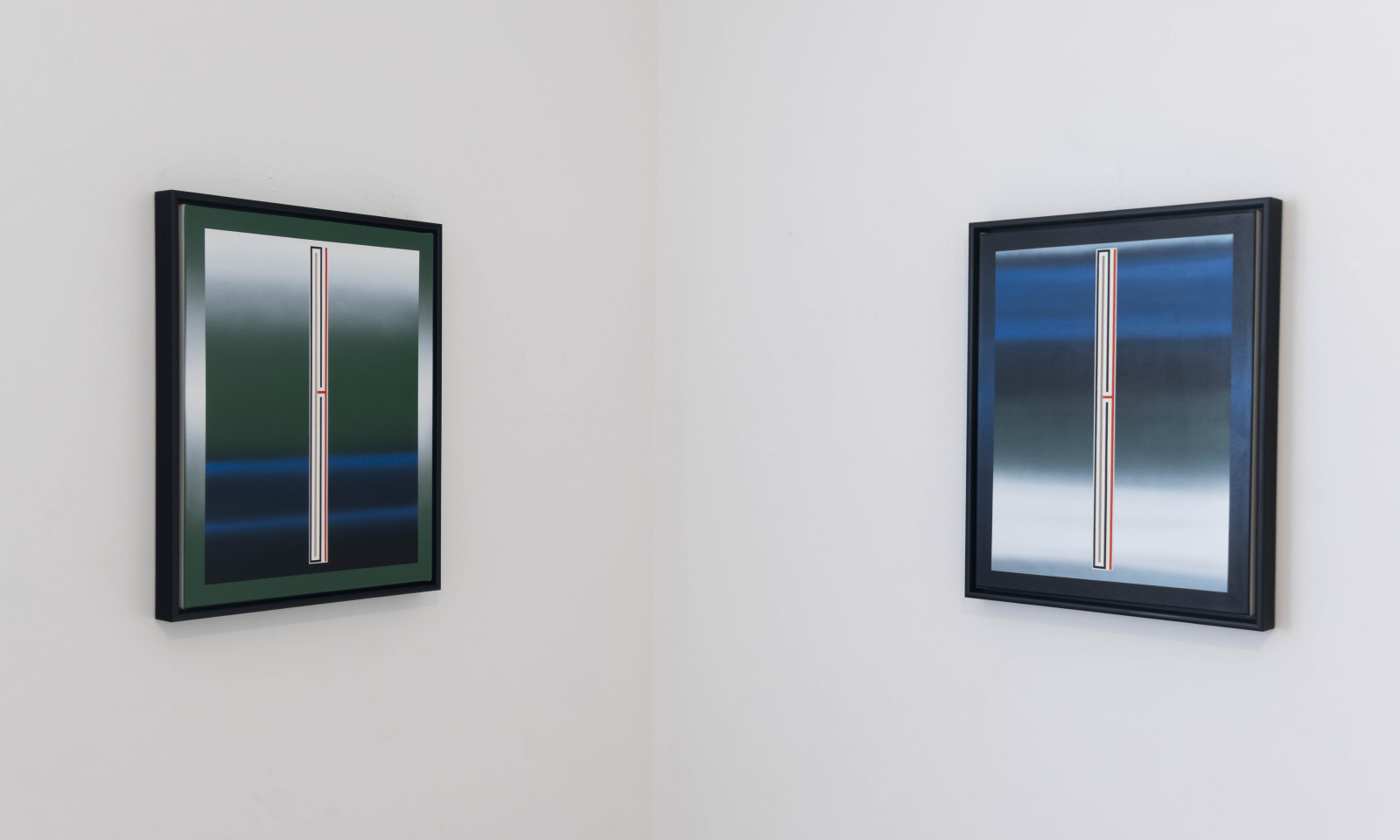
Although George has never met some of the people that he has named these paintings after, he honours them and their influence in his life through this series. The works themselves are oil and acrylic on canvas, with a dark green and blue colour palette. George has spoken before of his desire to “play around”1 with the application of paint to a canvas, and that is just what he does here through the use of various techniques. A light, airbrushed layer creates a gradient of colour in the background on one side of Tribute to T. Broughton (2026), while thick impasto runs through the vertical forms of the painting. In every artwork, the lines remind me of something different. The blue: waves crashing in the moana. The green: the underbelly of a leaf when held to the light. The white: clouds forming and breaking apart. Kōwhaiwhai inspired patterns also run throughout the works in this series. In the wharenui, these designs would be seen on the heke, or rafters, to illustrate the whakapapa of those belonging to the marae. Likewise, George uses the patterns in reference to family members he is paying tribute to.
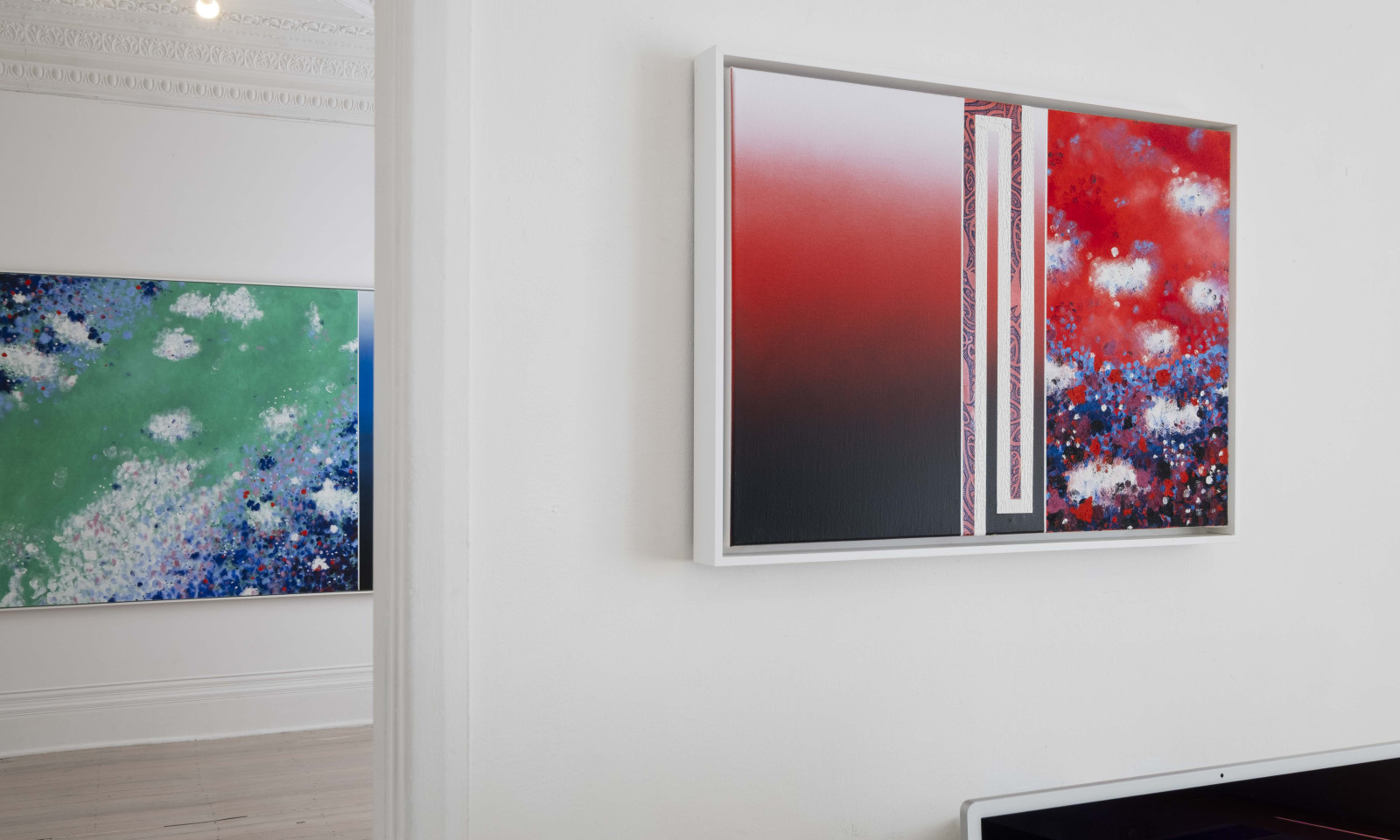
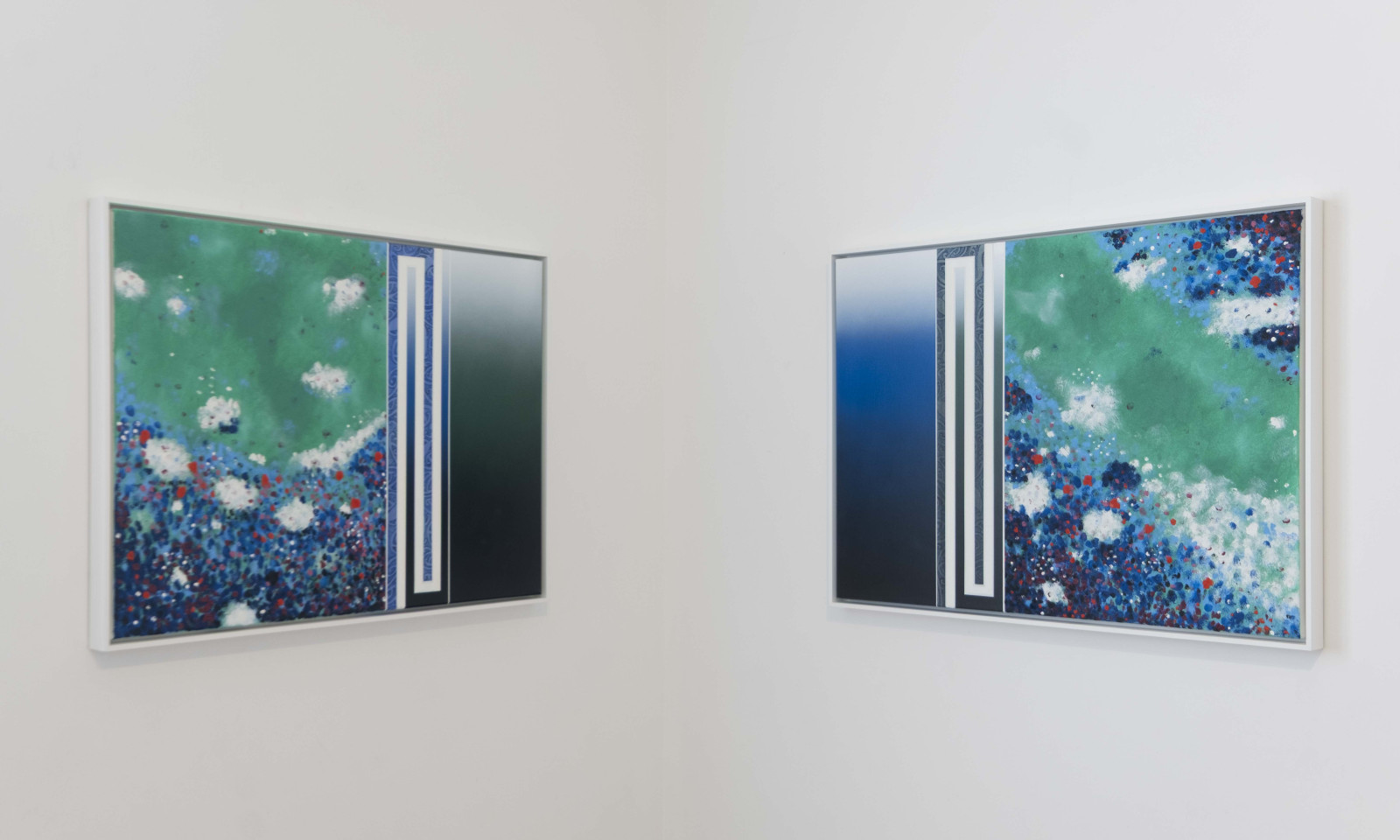
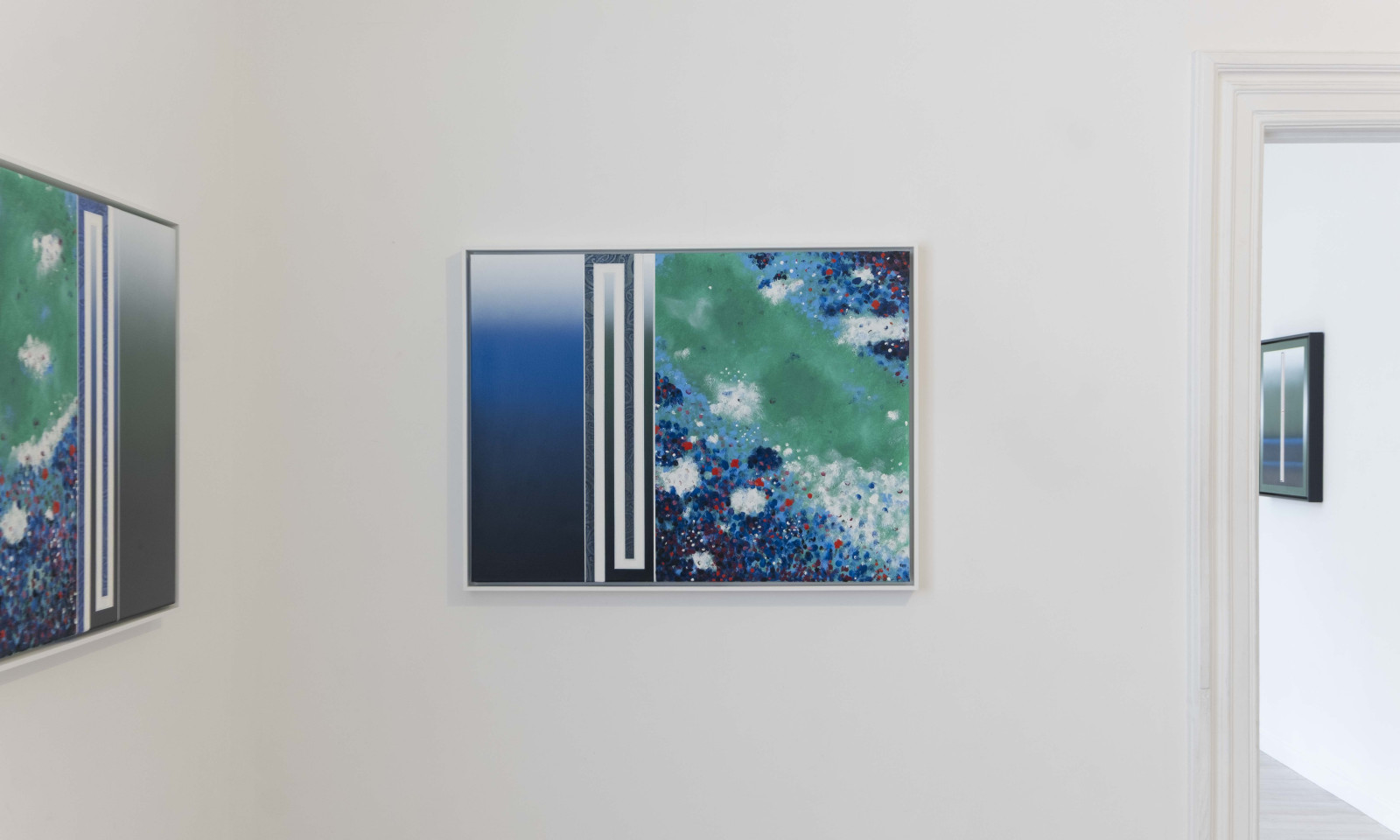
The two biggest artworks in this exhibition belong to the Whakapapa series. Whakapapa #5 (2026) incorporates the geometric forms found in the Tribute series with abstracted blotches of paint, on a much larger scale. The painting is divided into three sections: the left, a gradient running from black, to red, to white; the middle, dominated by white lines and blue kōwhaiwhai patterns; the right, a pattern that almost looks floral. Upon further investigation, I discover that they represent aerial views over the land that the artist’s whānau has ties to. On his mother’s side, their whānau farmed near Darfield in Canterbury since the 1870s. The red is a bold choice for what can be understood as an abstracted form of landscape, but considering George’s Māori heritage, not entirely unusual.
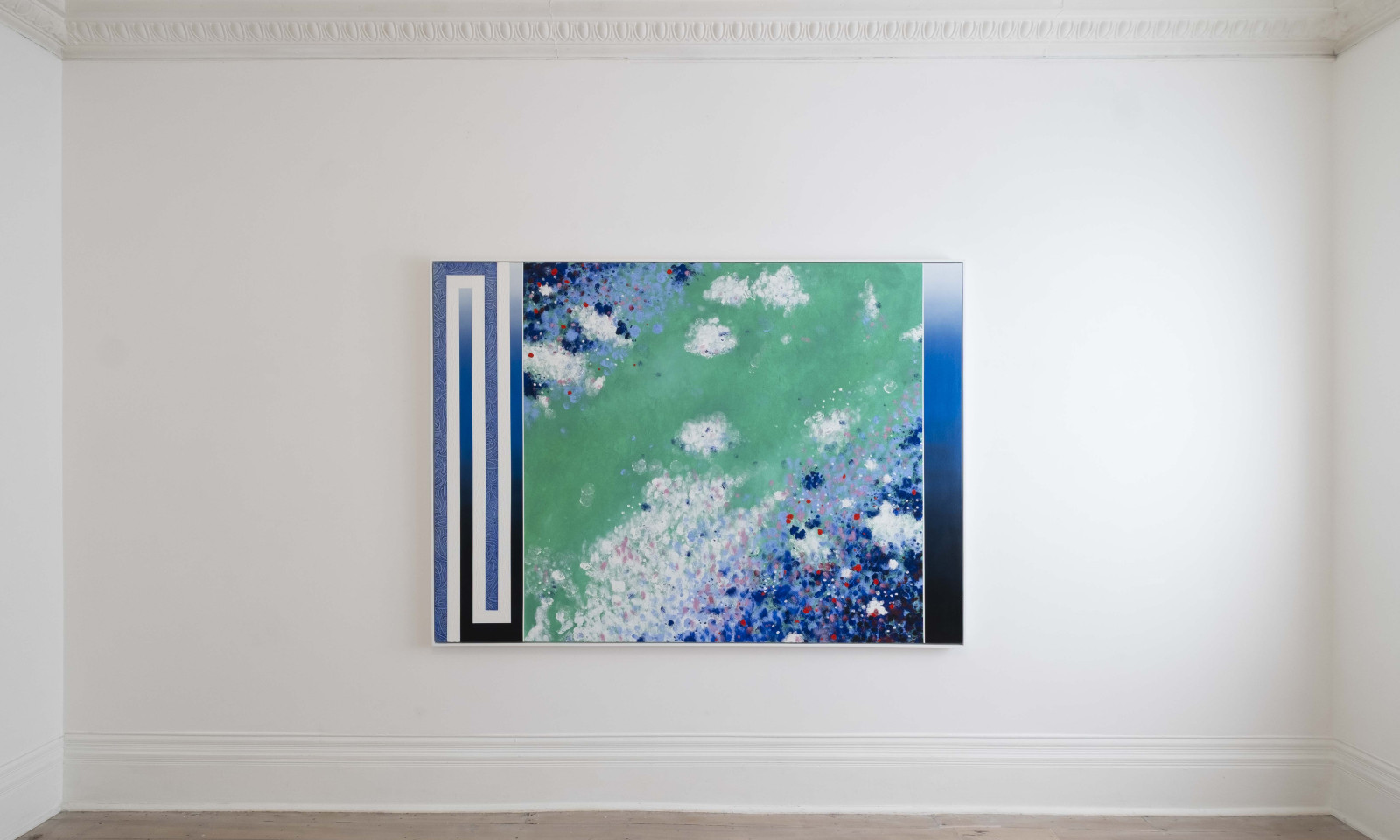
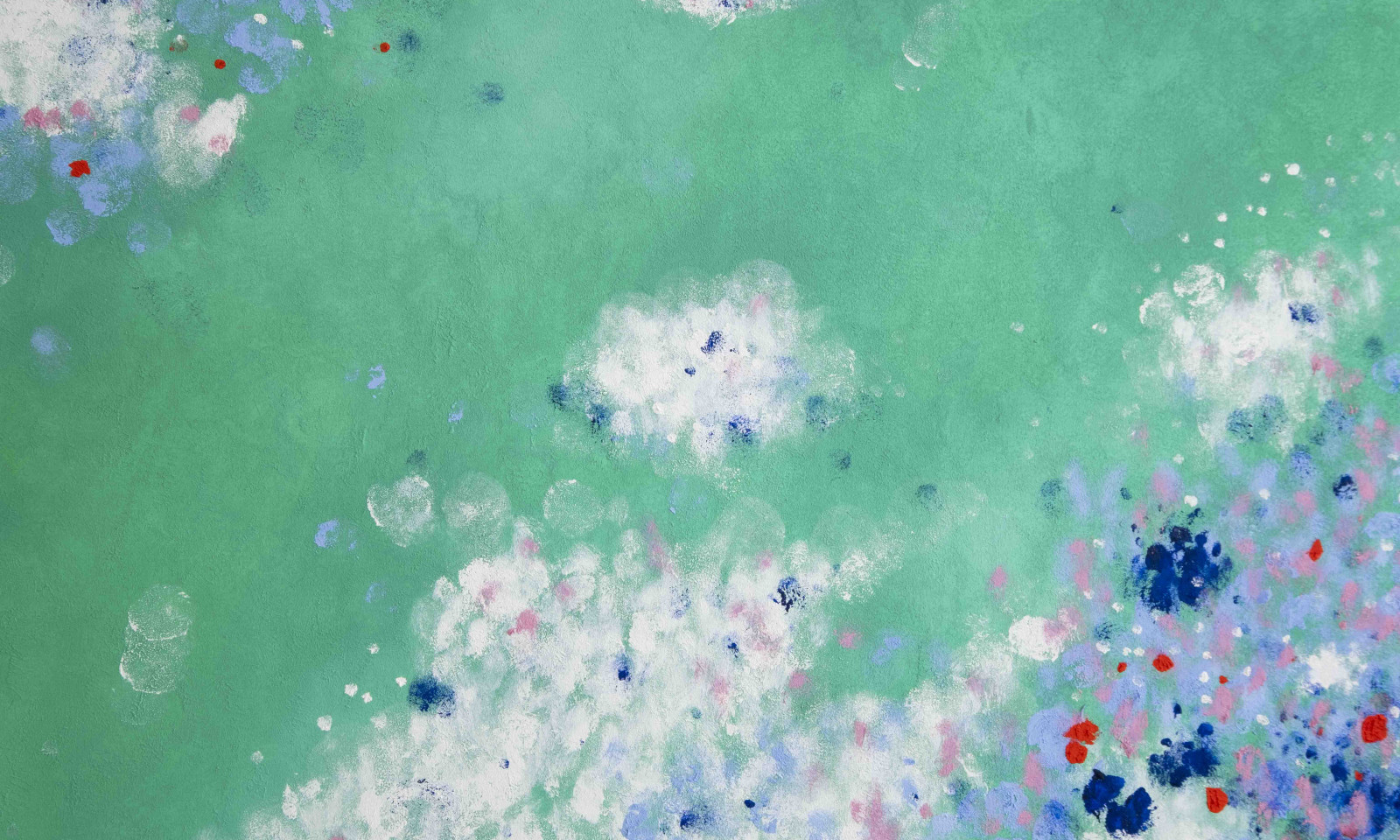
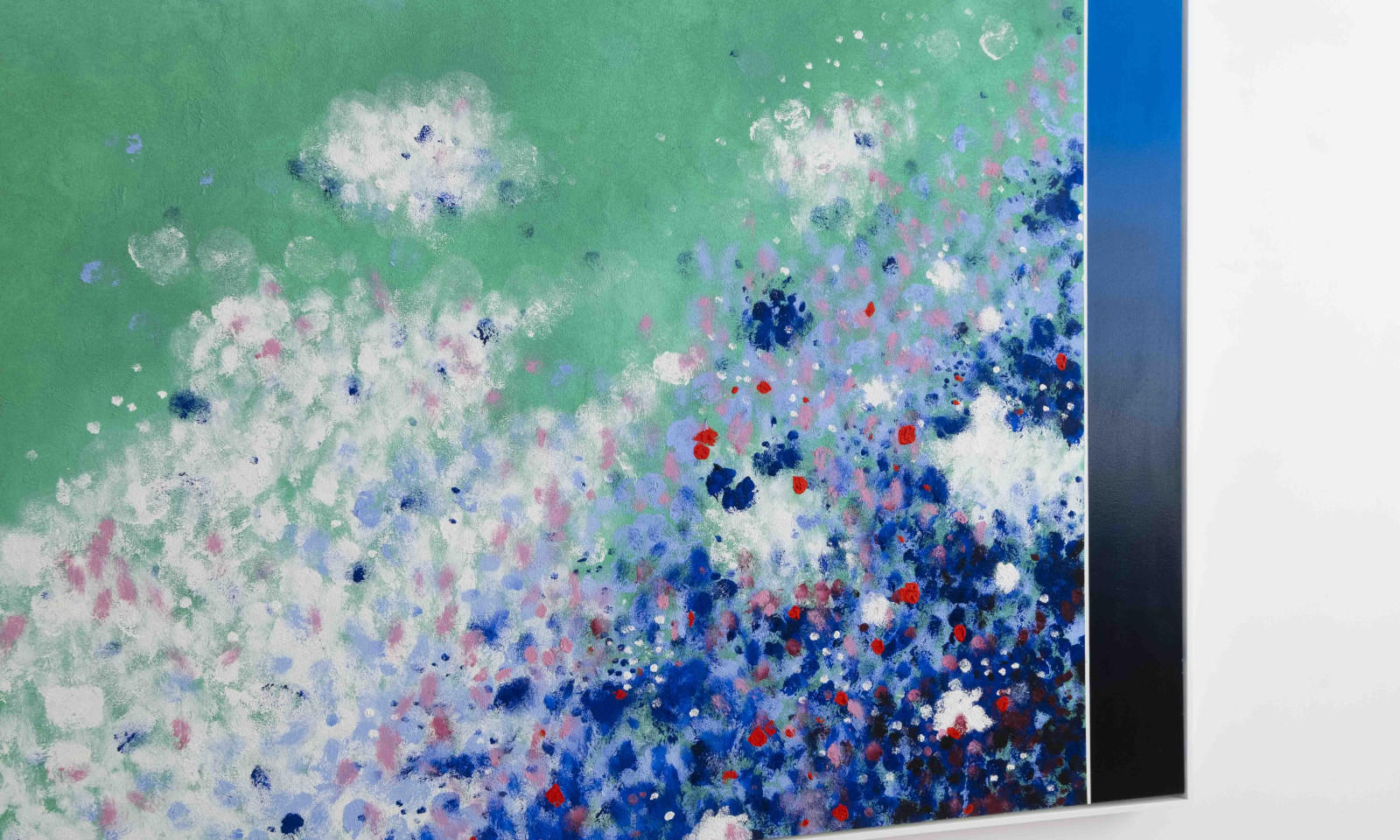
Whakapapa #2 (2026) has a similar composition, despite its radically different colour palette. Divided into three again—though this time, the floral section almost entirely covers the canvas in the middle, with just a fraction of the left dedicated to the white lines and the right devoted to a gradient of black, blue, and white.
George draws from the word whakamārie, meaning to make peace or a state of peace, for a series of artworks that explore “the quiet state of peace that settles in after reconciliation with another person.”2 The works are peaceful in their simplicity—calm and comfortable in the stillness that the pared back visuals offer. The artist has cleverly used positive and negative space (one of the core tenants in toi Māori) to his advantage. The geometric patterns found in all of the artworks in this exhibition vary in thickness, with those seen in the Whakamārie works being more narrow than most. Here, they can be read as a more direct line, or connection, to another person.
In Whakapapa, Darryn George puts multiple kinds of heritage on display, the most overt being personal and art historical. Yet it is his faith that underpins the artwork. When asked about these works, he shared with me a whakatakī:
E karapotia ana tātou e tō tātou whakapapa whakapono.
We are surrounded by our heritage of faith.
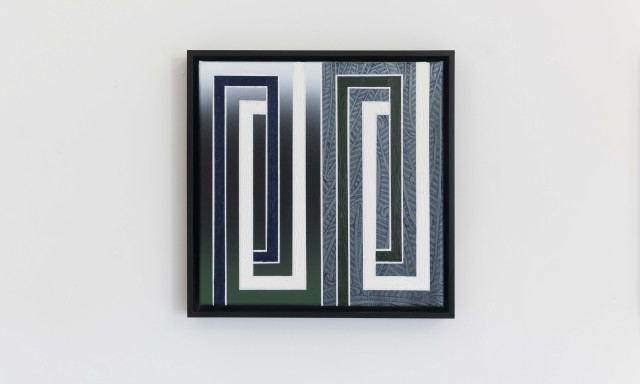
Darryn George, 2026
Oil and acrylic on canvas, 450 x 450 mm framed
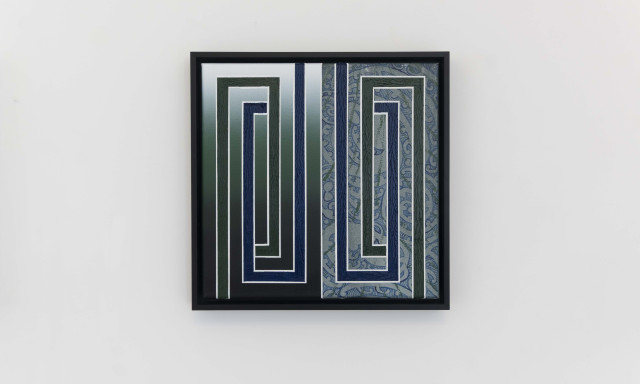
Darryn George, 2026
Oil and acrylic on canvas, 450 x 450 mm framed
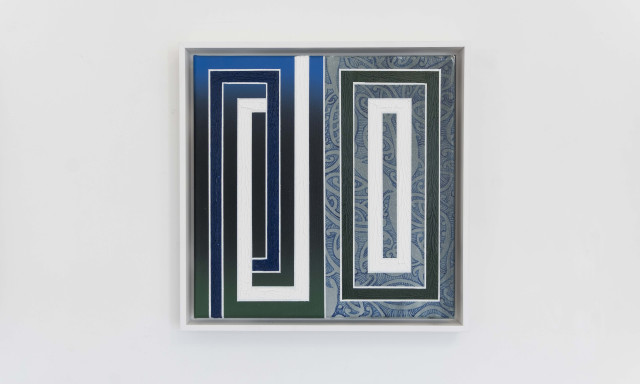
Darryn George, 2026
Oil and acrylic on canvas, 450 x 450 mm framed
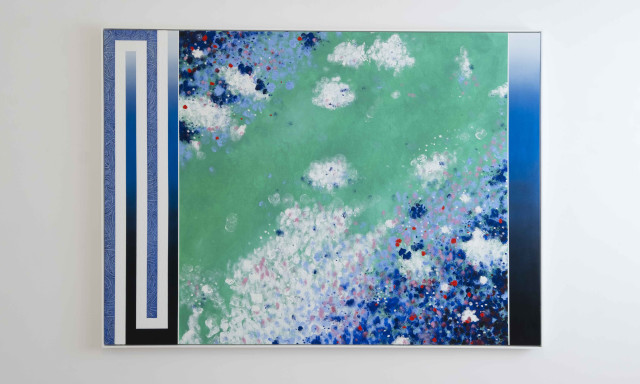
Darryn George, 2026
Oil and acrylic on canvas, 153 x 212 mm
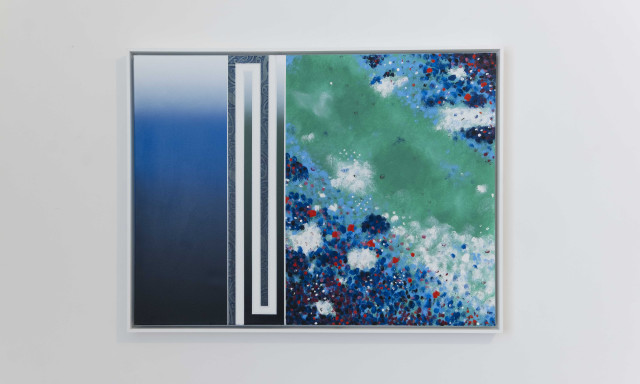
Darryn George, 2026
Oil and acrylic on canvas, 800 x 1050 mm framed
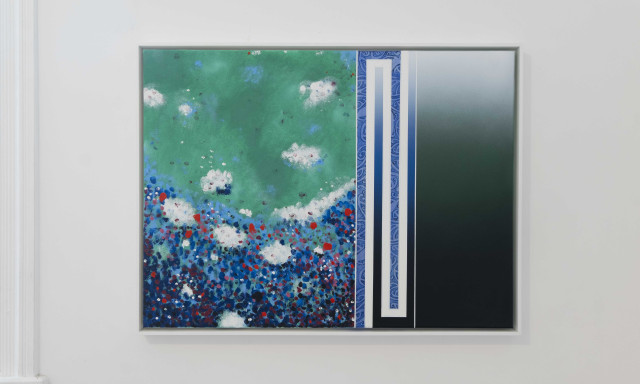
Darryn George, 2026
Oil and acrylic on canvas, 800 x 1050 mm framed
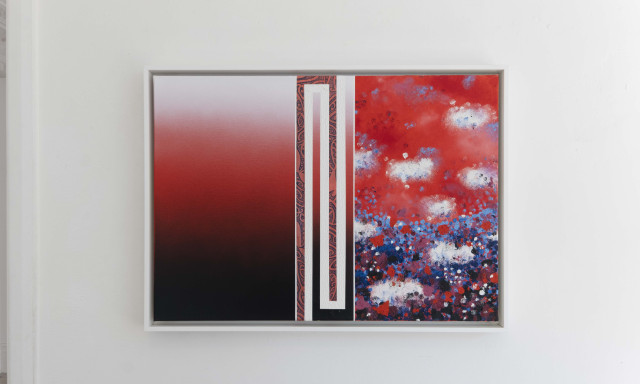
Darryn George, 2026
Oil and acrylic on canvas, 550 x 745 mm
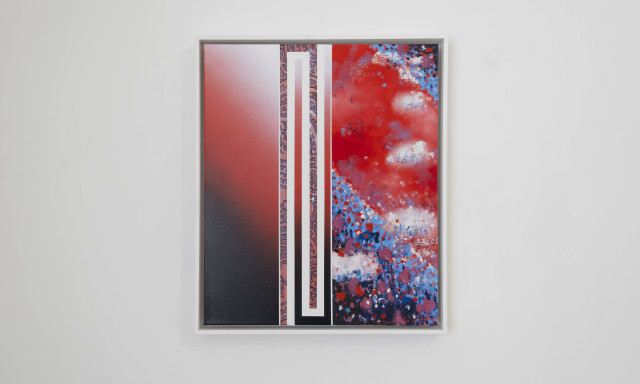
Darryn George, 2026
Oil and acrylic on canvas, 650 x 550 mm
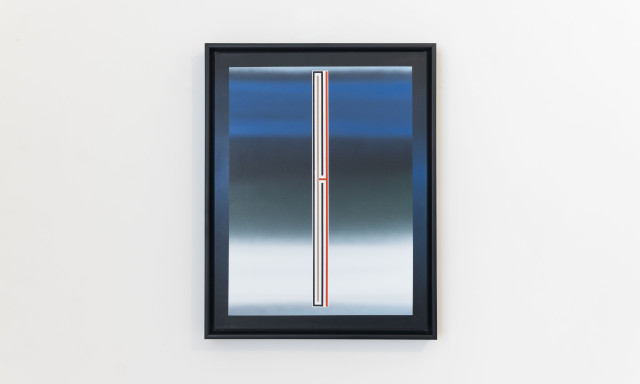
Darryn George, 2026
Oil and acrylic on canvas, 700 x 550 mm framed
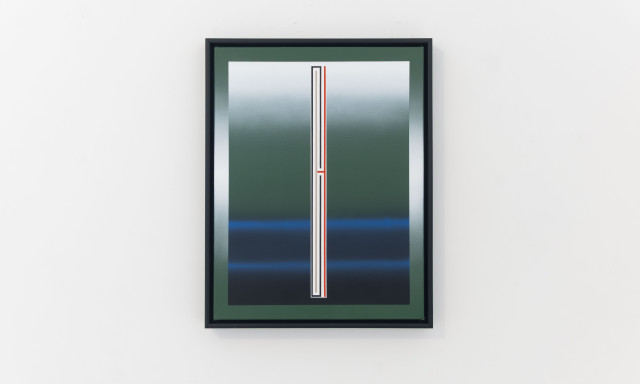
Darryn George, 2026
Oil and acrylic on canvas, 700 x 550 mm framed
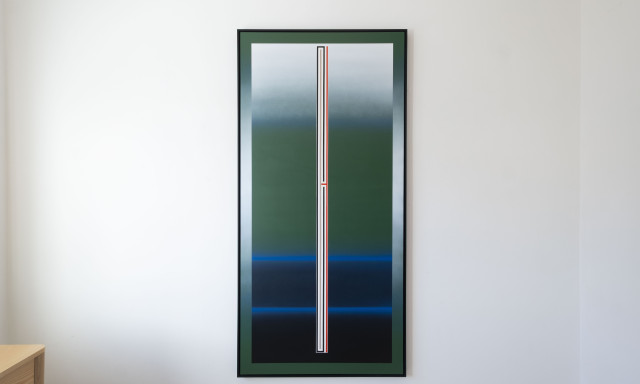
Darryn George, 2026
Oil and acrylic on canvas, 2170 x 1060 mm framed
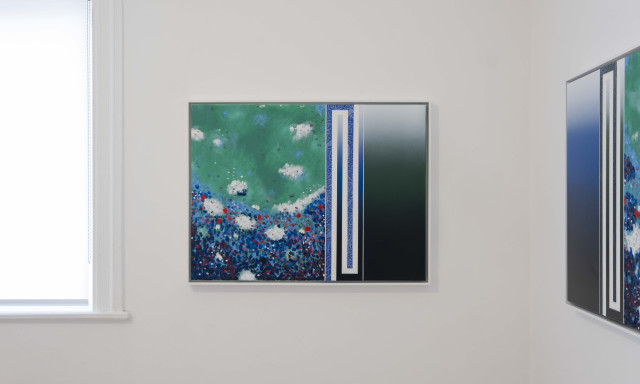
Darryn George